Understanding VRF Systems: Advanced Climate Control Solutions
Variable Refrigerant Flow (VRF) systems represent one of the most sophisticated approaches to heating and cooling in modern HVAC technology. At Brian and Sons, we’ve been installing and servicing these advanced systems throughout Oswego, Plainfield, Bristol, Montgomery, Yorkville, and Sugar Grove for years, witnessing firsthand their remarkable efficiency and versatility. VRF technology uses refrigerant as both the cooling and heating medium, allowing for precise temperature control across multiple zones within a building. This innovative approach eliminates the need for extensive ductwork while providing superior comfort and energy efficiency.
The fundamental principle behind VRF systems involves modulating the flow of refrigerant to individual indoor units based on demand. Unlike traditional HVAC systems that operate on simple on/off cycles, VRF systems continuously adjust their output to match the exact heating or cooling requirements of each space. This sophisticated control mechanism results in energy savings of up to 30-40% compared to conventional systems, making VRF an increasingly popular choice for both residential and commercial applications throughout the Chicagoland area.
Key Components and Technical Specifications
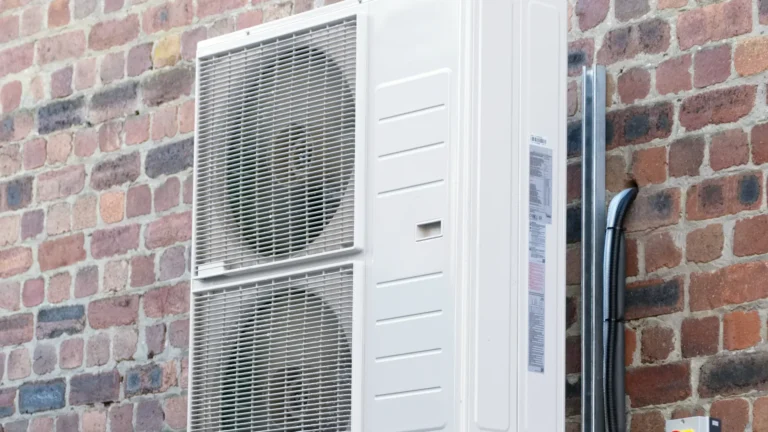
A VRF system consists of several critical components working in harmony to deliver optimal climate control. The outdoor condensing unit serves as the heart of the system, housing advanced inverter-driven compressors that can vary their speed from 10% to 100% capacity. These compressors adjust their output based on the combined load requirements of all connected indoor units, ensuring maximum efficiency at all operating conditions. Our NATE-certified technicians at Brian and Sons regularly work with leading VRF manufacturers, understanding the intricate details of compressor technology, refrigerant piping design, and control algorithms that make these systems so effective.
Indoor units in VRF systems come in various configurations including wall-mounted, ceiling cassette, ducted, and floor-standing models. Each indoor unit contains an electronic expansion valve that precisely controls refrigerant flow, a fan for air circulation, and sophisticated sensors for temperature and humidity monitoring. The refrigerant piping network connecting outdoor and indoor units uses advanced branch selectors and headers that enable simultaneous heating and cooling in different zones. This heat recovery capability allows occupied spaces requiring cooling to transfer excess heat to areas needing warmth, achieving remarkable energy efficiency levels that traditional systems simply cannot match.
Installation Considerations and Best Practices
Installing VRF systems requires meticulous planning and technical expertise that our team has developed over more than 20 years serving the Chicagoland area. Proper system design begins with accurate load calculations for each zone, considering factors such as building orientation, insulation levels, occupancy patterns, and internal heat gains. Refrigerant piping design proves particularly critical, as improper pipe sizing or excessive lengths can severely impact system performance and efficiency. We carefully calculate pipe diameters, ensure proper oil return to compressors, and maintain manufacturer-specified limitations on vertical rises and total equivalent lengths.
The installation process demands precise workmanship, particularly in brazing refrigerant connections and ensuring proper insulation of all piping. Our technicians pay special attention to refrigerant charge calculations, as VRF systems require exact refrigerant quantities based on actual installed pipe lengths and indoor unit configurations. We utilize advanced digital manifolds and scales to achieve charging accuracy within manufacturer tolerances, typically plus or minus 2% of calculated values. Control wiring installation follows equally stringent standards, with proper shielding and separation from power wiring to prevent electromagnetic interference that could disrupt system communications.
Maintenance Requirements and Service Protocols
Regular maintenance ensures VRF systems continue delivering optimal performance throughout their operational life. At Brian and Sons, we’ve developed comprehensive maintenance protocols based on manufacturer recommendations and field experience serving churches, small businesses, corporations, and light industrial sites across our service area. Routine maintenance tasks include:
- Filter cleaning or replacement: Indoor unit filters require monthly inspection and cleaning, with replacement intervals varying based on environmental conditions
- Coil cleaning: Both indoor evaporator coils and outdoor condenser coils need periodic cleaning to maintain heat transfer efficiency
- Refrigerant leak testing: Electronic leak detection and system pressure tests identify potential issues before they impact performance
- Electrical connection inspection: Checking and tightening electrical connections prevents failures and ensures safe operation
- Control system diagnostics: Reviewing error codes and operational parameters identifies developing problems early
Our 24-hour service availability 365 days a year means we’re always ready to address VRF system issues whenever they arise. Emergency situations such as compressor failures, refrigerant leaks, or control malfunctions receive immediate attention from our experienced technicians who understand the critical nature of maintaining comfortable environments in commercial and residential settings.
Applications and Industry Trends
VRF systems excel in diverse applications ranging from single-family homes to large commercial buildings. In residential settings, homeowners appreciate the ability to maintain different temperatures in various rooms while enjoying whisper-quiet operation and reduced energy bills. Commercial applications benefit from the flexibility to reconfigure spaces without major HVAC modifications, making VRF ideal for offices, retail spaces, and hospitality venues. We’ve successfully installed VRF systems in numerous churches throughout our service area, where the technology’s quiet operation and zone control capabilities prove particularly valuable for worship spaces, classrooms, and administrative areas.
Current industry trends show increasing adoption of VRF technology driven by stricter energy codes and growing environmental awareness. Manufacturers continue advancing system capabilities with improved low-ambient heating performance, enhanced connectivity for remote monitoring, and integration with building automation systems. The market for VRF systems in North America has grown approximately 15-20% annually over the past decade, with projections indicating continued expansion as building owners recognize the long-term operational savings and comfort benefits. At Brian and Sons, we stay current with these technological advances through ongoing training and manufacturer partnerships, ensuring our customers receive the most current and effective solutions available. Our commitment to honesty and quality work means we provide straightforward assessments of whether VRF technology suits specific applications, avoiding high-pressure sales tactics while focusing on genuine customer needs and long-term satisfaction.