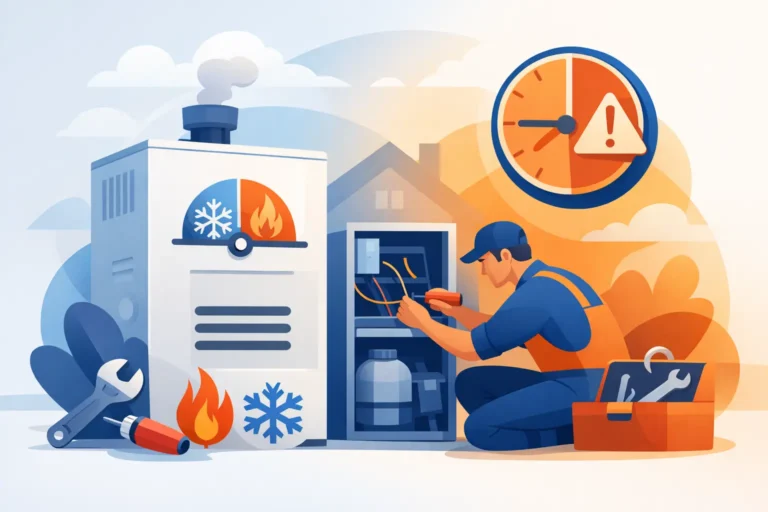
A furnace never seems to quit on a mild afternoon. It usually happens on the coldest night of the week, right when the house starts feeling uncomfortable and everyone wants an answer fast. That is why heating and furnace repair is not just about fixing equipment. It is about protecting your comfort, your safety, and your budget before a small issue turns into a full system failure.
For homeowners, the challenge is knowing what deserves immediate attention and what can wait for a scheduled visit. For property managers and commercial decision-makers, the concern is often bigger – keeping tenants, employees, or customers comfortable without letting downtime drag on. In both cases, the smartest approach is early action.
When heating and furnace repair should happen now
Some furnace problems are inconvenient. Others should move to the top of your priority list right away. If your system will not turn on, is blowing cold air, keeps shutting off, or is making loud banging, screeching, or rattling noises, it is time to have it checked.
A burning smell that does not fade after startup also deserves attention, especially if it smells electrical or unusually sharp. If you notice a gas odor, turn the system off, leave the area, and contact the gas utility and emergency service immediately. Safety always comes first.
Less dramatic warning signs matter too. Higher utility bills, uneven heating from room to room, weak airflow, and a furnace that runs constantly can all point to an underlying problem. These issues often start small, but they rarely fix themselves.
Common causes behind furnace trouble
Most heating calls come down to a handful of common issues. Dirty air filters are near the top of the list. When airflow gets restricted, the furnace has to work harder, which can lead to overheating, short cycling, and extra wear on internal components.
Thermostat problems are another frequent cause. Sometimes the furnace is fine, but the thermostat is misreading the temperature, has a wiring issue, or simply needs new batteries. It sounds simple, but it can mimic a much larger equipment problem.
Ignition and pilot issues are also common, especially as systems age. If the burners are not lighting properly, your furnace may struggle to produce heat or fail to start at all. In other cases, the blower motor, limit switch, flame sensor, or inducer motor may be the source of the failure.
For older systems, wear and tear is often the bigger story. Belts loosen, bearings wear down, sensors get dirty, and electrical components become less reliable over time. A furnace can keep running in this condition for a while, but usually not efficiently and not without risk of a full breakdown.
Heating and furnace repair vs. replacement
This is where honesty matters. Not every repair means you need a new furnace, and not every old furnace should be pushed through one more winter. The right answer depends on age, condition, repair history, and cost.
If your furnace is under 10 years old and the issue is isolated, repair is usually the practical move. Replacing a sensor, igniter, capacitor, or blower component can restore reliable operation without a major investment.
If the system is 15 to 20 years old, the decision gets more complicated. At that point, efficiency is usually lower, parts may be harder to source, and repeat repairs become more likely. If the repair is expensive and the unit has already needed several service calls, replacement may make better financial sense.
There is no universal rule, because it depends on how the equipment has been maintained and how heavily it has been used. A well-maintained system can outlast expectations. A neglected one can become unreliable much sooner.
What you can check before calling
A professional diagnosis is still the best path, but there are a few basic things worth checking first. Make sure the thermostat is set to heat and the temperature setting is above the room temperature. Check the air filter and replace it if it is dirty. Look at the circuit breaker to see whether it has tripped.
If your furnace has a service switch nearby, confirm that it is on. For gas systems, make sure the gas valve is in the correct position if you know what you are looking at. Also check that supply vents are open and not blocked by furniture or rugs.
These steps can solve a simple issue, but they are not a substitute for repair when the furnace is short cycling, making unusual noises, producing inconsistent heat, or showing signs of electrical or combustion trouble. If the problem is not obvious, it is better not to guess.
Why fast repair usually saves money
Many people wait because the furnace is still running, just not quite right. That is understandable, but it often costs more in the long run. A system that struggles to heat properly uses more energy, puts added strain on key components, and has a higher chance of failing when demand is highest.
Take a dirty flame sensor or a weak blower motor as an example. Early repair might be straightforward. Wait too long, and you may end up with a no-heat call in the middle of freezing weather, plus added damage caused by the original problem.
Quick service also protects comfort beyond the furnace itself. In colder Illinois winters, delayed heating issues can affect indoor air quality, humidity balance, plumbing vulnerability, and overall livability of the home. For commercial properties, heating downtime can disrupt operations and create a poor experience for staff and visitors.
What to expect from a professional repair visit
A good heating service call should feel organized, not rushed. The technician should inspect the system, test components, confirm the actual cause of the issue, and explain the repair clearly. You should know what failed, why it matters, and what your options are before work begins.
That transparency is especially important when the answer is not black and white. Sometimes the best recommendation is a repair. Sometimes it is a repair now and a plan to replace later. Sometimes it is a hard conversation about whether continued investment in an aging furnace still makes sense.
For homeowners in communities like Aurora, Oswego, Montgomery, and nearby suburbs, response time matters too. When outdoor temperatures drop, waiting several days for service is not just frustrating. It can become a serious comfort and safety issue. That is why 24/7 availability has real value when the heat goes out unexpectedly.
The role of maintenance in preventing repairs
The best furnace repair is the one you never need on a January weekend. Annual maintenance gives technicians a chance to catch worn parts, airflow issues, burner problems, and safety concerns before they become urgent.
A proper tune-up also helps the system run more efficiently. That can mean lower utility costs, steadier heating, cleaner operation, and less stress on major components. It is not a guarantee against every breakdown, but it reduces the odds and usually extends equipment life.
For busy households and commercial properties, maintenance also removes a lot of guesswork. Instead of waiting for a failure, you get a clearer picture of the system’s condition and can budget for future work more confidently. That kind of planning matters when comfort equipment is a major part of the property.
Choosing a company for heating and furnace repair
When your heat is out, the lowest price on paper is not the only thing that matters. You want licensed, insured technicians who know how to diagnose problems correctly, communicate clearly, and treat your property with respect. You also want a company that gives honest recommendations instead of pushing replacement every time a repair gets complicated.
That local trust matters. A service team that understands the demands of Midwest winters and responds quickly can make a stressful situation feel manageable. Brian & Sons has built that trust by focusing on fast response, fair pricing, and service that puts people first.
Heating problems are never convenient, but they are easier to handle when you act early, ask clear questions, and work with professionals who value safety and straight answers. If your furnace is showing signs of trouble, do not wait for it to make the decision for you.