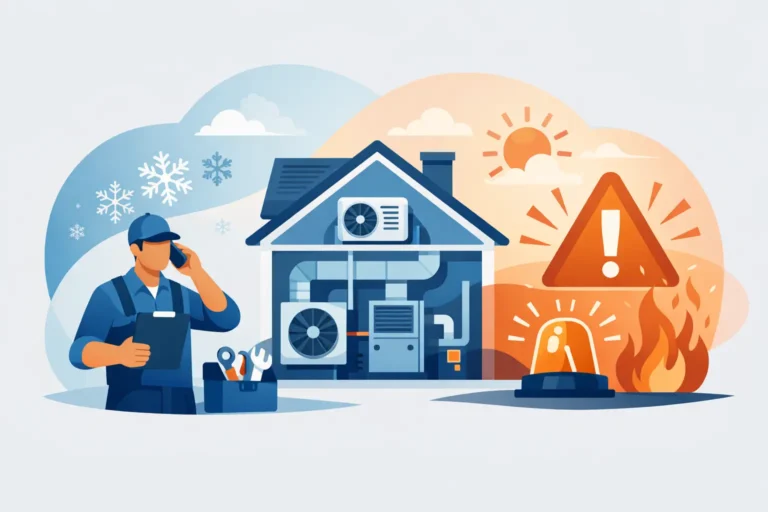

It usually happens at the worst possible time – late at night, over a holiday weekend, or during a temperature swing that makes your house feel unlivable fast. If you are wondering what is considered an HVAC emergency, the short answer is this: it becomes an emergency when your heating or cooling problem creates a safety risk, threatens property damage, or leaves vulnerable people without safe indoor temperatures.
Not every HVAC issue needs a middle-of-the-night service call. But some absolutely do. Knowing the difference can help you act quickly, protect your home, and avoid waiting too long on a problem that is getting more dangerous by the hour.
What Is Considered an HVAC Emergency for Homeowners?
An HVAC emergency is not just about inconvenience. It is about risk. If your furnace stops working on a cool fall afternoon, that may be urgent, but it is not always an emergency. If that same furnace stops during a subzero Illinois night and your indoor temperature is dropping quickly, the situation changes.
In most homes, an HVAC emergency falls into one of three categories. The first is safety. That includes anything involving smoke, burning smells, electrical issues, gas odors, or signs of carbon monoxide exposure. The second is property protection. A leaking system, frozen pipes caused by heat loss, or water overflowing from HVAC equipment can lead to expensive damage. The third is health and habitability. If the home becomes dangerously hot or cold, especially for children, older adults, or people with medical conditions, waiting is not the right call.
That is why emergency service exists. It is there for the moments when delaying repair could put people, pets, or property at real risk.
Signs Your HVAC Problem Cannot Wait
Some warning signs are clear. Others are easier to second-guess. If you notice a strong burning odor that does not fade after startup, turn the system off. If you smell gas near your furnace or boiler, leave the area and call your gas utility and emergency professionals right away. If your carbon monoxide detector goes off, treat that as an emergency immediately.
Electrical issues also deserve fast attention. Repeated breaker trips, buzzing from the electrical compartment, visible sparking, or signs that your system is overheating are not normal. These problems can point to fire risk or major component failure.
Loss of heating in freezing weather is another common emergency in the western Chicago suburbs. A home can lose heat quickly when outdoor temperatures drop, and that is not just uncomfortable. It can affect plumbing, indoor air quality, and your family’s safety. The same goes for losing air conditioning during extreme summer heat, especially if someone in the home is sensitive to high temperatures.
Water where it should not be is another reason to act. HVAC equipment can leak for different reasons, and some are minor. But active pooling around the unit, ceiling stains tied to HVAC lines, or a backed-up condensate issue that is spreading can become a property-damage problem fast.
When the Problem Is Urgent, but Not a True Emergency
This is where things depend on the situation. Some HVAC issues need prompt service, but they can usually wait until the next available appointment during normal business hours.
For example, weak airflow, uneven temperatures, unusual noises, short cycling, or an air conditioner that is cooling poorly may all need repair soon. But if the system is still operating and the home remains safe, those are usually urgent service calls rather than emergencies.
A furnace making a new rattling noise is worth attention. A furnace producing smoke or a sharp electrical smell is different. An air conditioner that cannot keep up on a 90-degree day is frustrating. An air conditioner that shuts down entirely in a home with an elderly resident during a heat wave may cross into emergency territory.
That gray area matters because HVAC service is not one-size-fits-all. The right response depends on the weather, the age and health of the people inside, and whether the issue is getting worse.
What Is Considered an HVAC Emergency in Winter?
Winter heating failures are some of the most common emergency calls in Illinois, and for good reason. When a furnace, boiler, or heat pump stops working in freezing temperatures, indoor conditions can become unsafe quickly.
A no-heat situation is more serious if outdoor temperatures are very low, if the home has poor insulation, or if there are infants, seniors, or medically vulnerable family members inside. It is also more serious if you are away from home and the heat failure could lead to frozen pipes.
Emergency winter calls often involve total system shutdowns, ignition problems, gas supply concerns, frozen components, or electrical failures. If your heating system will not turn on, the thermostat is calling for heat, and basic troubleshooting has not restored operation, it is time to treat the issue seriously.
If you have space heaters available, they may help temporarily, but they are not a long-term substitute for central heating. They also need to be used carefully. Keep them away from curtains, bedding, furniture, and anything flammable.
What Is Considered an HVAC Emergency in Summer?
Air conditioning problems can be more than a comfort issue during hot, humid stretches. A complete cooling loss during extreme heat can create health concerns, especially in upper-floor bedrooms, older homes, and households with young children, seniors, pets, or anyone with respiratory or cardiovascular conditions.
An emergency summer call may involve a system that will not start, electrical smells, a frozen unit that has shut down completely, or a cooling failure during dangerous temperatures. Commercial properties may also face emergency conditions if cooling loss affects equipment, inventory, employees, or customer safety.
That said, not every summer AC issue needs after-hours service. If the system is running but struggling, or if one room is warmer than the rest, that is often a next-day repair rather than an immediate emergency. The key question is whether the indoor environment is becoming unsafe or the equipment is showing signs of a larger hazard.
Situations That Always Deserve Immediate Attention
Some issues should never be watched and waited on. Gas odors, carbon monoxide alarms, smoke, fire risk, electrical arcing, and major water leaks tied to HVAC equipment all require immediate action. Turn off the system if it is safe to do so and get the right help involved.
Commercial buildings may also have added urgency. A rooftop unit failure in a small office may be manageable overnight. A heating failure in a childcare space, medical office, restaurant, or occupied facility can be a different story. Emergency response depends on occupancy, safety, and operational impact.
This is also where working with a local company matters. Fast response is not just convenient. In a true emergency, it can limit damage and restore safe conditions sooner.
What to Do Before You Call for Emergency HVAC Service
Before you place the call, take a quick look at the basics if it is safe. Check the thermostat settings, confirm the breaker has not tripped, and make sure the air filter is not completely clogged. In some cases, a simple reset solves the issue.
But do not keep restarting a system that smells hot, trips the breaker repeatedly, or makes alarming noises. Do not open panels if you are not trained to do so. And do not ignore your instincts if something feels unsafe.
When you call, be ready to explain what the system is doing, when the problem started, what type of equipment you have, and whether there are safety concerns such as no heat, no cooling in extreme weather, leaking water, or unusual smells. That helps the technician respond with the right urgency.
For homeowners and businesses across the western suburbs, having access to 24/7 service can make a stressful night much more manageable. Companies like Brian & Sons are built for exactly those moments when waiting until morning is not the best option.
How to Tell if You Should Call Now or Wait Until Morning
A simple way to decide is to ask three questions. Is anyone unsafe? Is your property at risk? Is the problem likely to get worse if you wait?
If the answer to any of those is yes, it is probably an HVAC emergency. If the system is still operating, the indoor temperature is reasonable, and there are no signs of smoke, gas, electrical danger, or active leaking, scheduling a prompt standard repair may be the smarter and more affordable choice.
The goal is not to panic over every HVAC issue. It is to recognize when a repair has crossed the line from inconvenient to urgent. When your comfort system affects your safety, your home, or your peace of mind, getting help quickly is the right move.
When in doubt, trust the signs in front of you and do not wait too long to ask for professional guidance.