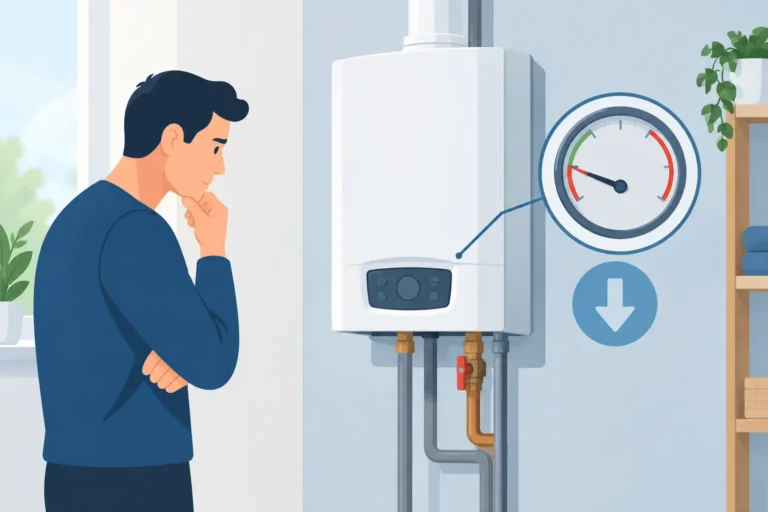
A boiler pressure gauge that keeps dropping is not just an inconvenience. Low pressure can stop your heat from circulating properly, leave radiators cold, interrupt hot water in some systems, and eventually cause the boiler to lock out. If you are asking, why does my boiler keep losing pressure, the short answer is that water is leaving the sealed heating system, or a component that manages pressure is no longer doing its job.
A one-time pressure adjustment is not always alarming. A boiler that needs to be refilled again and again, however, needs attention. Repeatedly adding water can mask the real problem and may contribute to corrosion or scale inside the system over time.
What boiler pressure should look like
Most closed-loop residential boiler systems in the U.S. read roughly 12 to 15 psi when cold. As the system heats up, pressure usually rises, often into the 18 to 25 psi range. The exact acceptable range can vary by boiler, the height of the home, and the design of the heating system, so your owner’s manual and the boiler’s own markings should take priority.
Pressure below the recommended cold range can prevent proper circulation. Pressure that climbs toward 30 psi is also a concern because most systems have a pressure-relief valve designed to open around that point. If the gauge is near 30 psi, water is actively discharging, or the boiler is showing an error code, turn the system off if it is safe to do so and arrange professional service.
Why does my boiler keep losing pressure?
The cause is often a small leak, but it is not always visible. Hydronic heating systems have piping, valves, fittings, circulator connections, radiators or baseboards, and safety components that can all be involved. Some leaks only appear when the system is hot and expanded, then evaporate before anyone notices them.
A hidden leak in the heating system
A loose fitting, failing valve stem, corroded radiator connection, or pinhole leak can slowly release enough water to lower pressure over several days or weeks. Look around accessible radiators, baseboard units, exposed piping, and the boiler itself for moisture, mineral staining, rust, or discolored flooring.
Leaks can also occur in concealed piping behind walls, above ceilings, or beneath floors. Homes with radiant floor heating may have many feet of tubing and multiple connections, making a professional inspection especially valuable. Do not assume the boiler is the only possible source just because the gauge is mounted on the boiler.
The pressure-relief valve is releasing water
The pressure-relief valve is a safety device, usually located near the boiler with a discharge pipe leading downward. It may drip when the system becomes overpressurized. Sometimes the valve reseats after opening; sometimes it continues to seep because debris has caught in the valve or the valve has worn out.
Check the end of the discharge pipe for dampness or a small puddle. Do not cap, plug, or block this pipe. If the relief valve is releasing water, the technician will need to determine whether the valve itself has failed or whether another issue, commonly an expansion tank problem, is forcing the pressure too high when the boiler heats.
A failed or waterlogged expansion tank
An expansion tank gives heated water room to expand without creating unsafe pressure. When the tank loses its air charge or its internal bladder fails, system pressure can rise sharply during a heating cycle. The relief valve may then discharge water. Once the system cools, the gauge can read low because water has been lost.
This pattern can be confusing: the boiler appears to lose pressure, but the underlying issue is often pressure that rises too much first. A technician can test the expansion tank, verify its air charge, and replace it if needed.
A faulty automatic air vent or air separator
Air vents remove trapped air from hydronic systems, helping prevent noisy pipes, poor circulation, and corrosion. An automatic air vent that sticks or deteriorates can leak small amounts of water. Because these leaks are often slow and located near the boiler, they may leave only a crusty white or greenish residue.
Air in the system can also make pressure readings and heating performance less predictable. If you hear gurgling in radiators or baseboard piping along with falling pressure, mention that detail when scheduling service.
A problem with the boiler’s heat exchanger
A damaged heat exchanger is less common, but it is a more serious possibility. In certain boilers, an internal leak can allow system water to escape in a place that is not easy to see. Diagnosis requires trained evaluation, and the repair decision depends on the boiler’s age, condition, parts availability, and the extent of the damage.
This is one reason a recurring pressure issue should not be treated as a simple refill task forever. An experienced technician can rule out the straightforward causes before recommending a larger repair or replacement.
The gauge may not be accurate
Boiler gauges can stick, drift, or fail. If the gauge says pressure is low but the system is heating normally and there are no signs of water loss, the reading itself may be misleading. Still, do not rely on a guess. A technician can compare the boiler gauge with a calibrated test gauge and confirm what the system is actually doing.
Safe checks you can make before calling
Start by noting the pressure when the boiler is completely cool, then check it again after the heat has been running for a while. Write down both readings, along with how quickly the pressure falls. That information helps identify whether the system has a steady leak or a heat-related expansion issue.
Next, inspect visible areas without removing boiler panels or touching electrical components. Check for drips beneath the boiler, wet spots around radiators or baseboards, staining near piping joints, and moisture at the pressure-relief discharge pipe. If you see water, take a photo before wiping it up.
If your system has an accessible fill valve and you know how to use it correctly, adding water once to restore normal cold pressure may get the heat running temporarily. Follow the boiler manufacturer’s instructions, and do not overfill the system. Never leave a manual fill valve open. A boiler that needs frequent refilling is signaling that a repair is needed.
Avoid repeatedly bleeding radiators without restoring pressure correctly, and do not operate any valve you cannot confidently identify. A small adjustment can create a bigger leak or push the system beyond its safe pressure range.
When low boiler pressure needs prompt service
Schedule boiler service soon if the pressure falls more than once, if you need to add water regularly, or if any water is visible around the system. Prompt attention matters even when the boiler is still producing heat, since slow leaks can damage finishes, encourage corrosion, and worsen without warning.
Call for urgent help if the boiler shuts down, the pressure rises near 30 psi, the relief pipe is discharging water, you smell gas, or you see significant leaking. If you smell gas, leave the area, avoid operating switches or flames, and contact your gas utility or emergency services from a safe location.
For homeowners in Oswego and nearby western Chicago suburbs, winter weather adds urgency. A boiler outage can quickly become a frozen-pipe risk, especially in homes with older piping, finished basements, or rooms along exterior walls.
The repair should address the cause, not only the gauge
A proper boiler-pressure diagnosis includes checking for leaks, testing the expansion tank, inspecting safety valves and vents, confirming the fill assembly is operating correctly, and verifying the gauge. The right repair may be as straightforward as replacing a relief valve or resealing a fitting. In other cases, it may involve a failed expansion tank, hidden piping leak, or an aging boiler component.
The goal is not simply to get the needle back to 12 psi. It is to make sure the system holds safe, stable pressure through normal heating cycles. Brian & Sons can help identify the source, explain the repair in plain language, and restore dependable heat without unnecessary upselling.
If your boiler has lost pressure once, keep an eye on it. If it keeps happening, treat that pattern as useful information and have it checked before a small water loss turns into a no-heat call on the coldest night of the season.