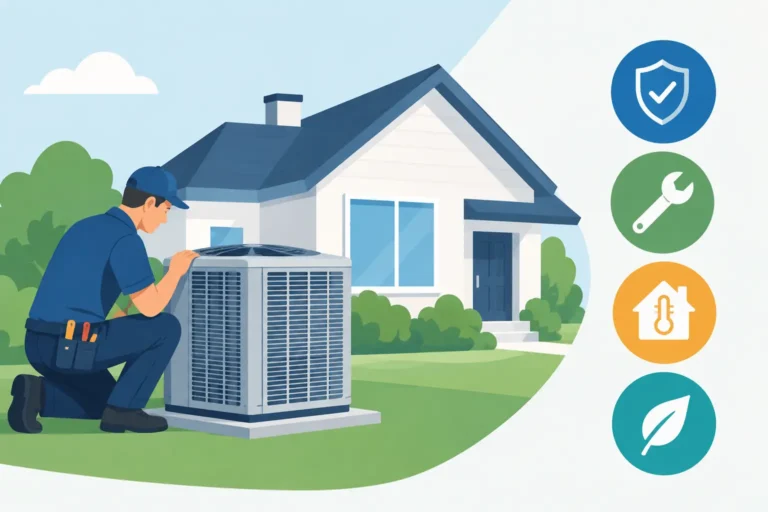
A furnace quits on the coldest night of January. An air conditioner starts blowing warm air during a July heat wave. These are the moments when HVAC membership value becomes very real. A well-designed membership is not simply another monthly bill. It is a practical way to stay ahead of preventable breakdowns, manage service costs, and know who to call when your comfort system needs attention.
For homeowners across the western Chicago suburbs, heating and cooling equipment works hard through sharp seasonal changes. Preventive service and priority support can make a meaningful difference, especially when an unexpected repair would otherwise disrupt your budget and your household.
What an HVAC Membership Is Really Meant to Do
An HVAC membership is a service agreement built around ongoing system care. Rather than waiting for something to fail, you schedule maintenance at regular intervals and may receive benefits such as preferred scheduling, repair discounts, or other savings offered through the plan.
The central purpose is simple: catch small concerns before they become urgent problems. During a professional maintenance visit, a technician can inspect system operation, look for worn components, test safety controls, assess airflow, and identify issues that may affect efficiency or reliability. Not every issue can be prevented, but routine attention gives you a better chance to address concerns on your own timeline.
That matters because HVAC failures are rarely convenient. A loose electrical connection, dirty component, clogged drain line, weak capacitor, or developing airflow problem may not stop a system immediately. Left alone, however, it can place added strain on equipment and lead to a more involved repair later.
Where HVAC Membership Value Shows Up
The value of a membership depends on your equipment, household needs, and the specific benefits included. Still, most homeowners see its value in three areas: fewer surprises, better planning, and a trusted service relationship.
Maintenance helps protect reliability
A heating and cooling system has many moving parts and safety-related controls. Furnaces need careful inspection before the heating season. Air conditioners and heat pumps benefit from service before warm weather places them under heavy demand. Regular maintenance gives technicians an opportunity to clean, test, and evaluate these systems when there is time to make informed decisions.
Maintenance is not a guarantee that your furnace or AC will never need repair. Age, weather, electrical issues, and ordinary wear can still cause a component to fail. It does, however, reduce the risk of avoidable problems being overlooked. It may also help your system run closer to the performance level it was designed to deliver.
Membership benefits can make repairs easier to manage
A repair discount or member pricing can be helpful when an unexpected issue does arise. Even more valuable for many families is knowing they already have a relationship with a local HVAC company that knows their equipment history and can explain the repair clearly.
That familiarity reduces stress. Instead of starting from scratch during a no-heat or no-cooling call, you have a service team that can reference past maintenance findings, previous repairs, and equipment details. For a homeowner weighing repair versus replacement, that history supports a more honest conversation about the condition of the system.
Priority service matters when demand is high
During the first major cold snap or summer heat wave, HVAC companies receive a high volume of calls. Membership plans often include priority scheduling, which can be especially meaningful for households with young children, older adults, pets, or health concerns affected by indoor temperatures.
Priority service does not mean every repair can happen instantly. Parts availability, weather conditions, and the seriousness of other emergency calls can affect timing. But membership can place you in a stronger position when demand is high, and it gives you a clear path to help from a team that answers the phone and responds with urgency.
Is a Membership Worth It for Your System?
For many homeowners, yes, but the answer is not identical for every property. The right question is not whether a membership is “free” or whether it eliminates all repair costs. The better question is whether the benefits align with the way you want to care for essential home equipment.
A membership is often a strong fit if you own a system that is out of its initial installation period, have missed routine tune-ups in the past, or prefer predictable maintenance over last-minute service calls. It can also make sense if your home has more than one comfort system, such as a furnace and central air conditioner, a boiler, ductless units, humidification equipment, or indoor air quality products.
Older equipment deserves special consideration. A membership will not make a 15- or 20-year-old system new again, and it cannot always prevent a major component failure. What it can do is provide regular professional assessments. That helps you understand whether continued repairs are reasonable or whether planning for replacement would be more cost-effective.
Newer systems benefit as well. Routine service supports reliable operation, helps protect manufacturer warranty requirements when applicable, and gives you a documented maintenance history. Skipping care because equipment is new can be a costly assumption, particularly when seasonal debris, drain issues, electrical wear, or airflow restrictions develop.
What to Ask Before Joining an HVAC Membership
Not all service agreements are built the same. Before enrolling, ask for clear answers about what is included and how the plan works in real situations. A trustworthy company should explain the details without pressure or confusing fine print.
Ask how many maintenance visits are included each year and which systems those visits cover. Clarify whether the plan includes heating and cooling maintenance, and whether additional equipment such as boilers, humidifiers, water heaters, or ductless systems requires separate coverage.
You should also ask what priority scheduling means during an emergency, whether diagnostic fees or repair discounts apply, and if there are enrollment terms or cancellation policies to understand. If your equipment is older, ask how the company approaches recommendations for major repairs versus replacement. You want practical guidance based on safety, reliability, and cost – not unnecessary upselling.
A good membership should make service more straightforward, not more complicated. You should know what you receive, what it costs, and who will be caring for your system.
The Value Is More Than a Tune-Up
A seasonal tune-up has immediate value, but a membership creates consistency. It turns maintenance from something you mean to schedule into something already planned. That can be the difference between discovering a concern during a calm fall appointment and discovering it when the house is cold and your schedule is already full.
There is also value in having a technician who takes time to explain what they found. Homeowners do not need a technical lecture. They need clear information: Is the system safe? Is it operating properly? Is there a repair that should be addressed soon? Can it wait? What should be budgeted for next?
At Brian & Sons, that customer-first approach matters. Our team believes comfort service should come with honest recommendations, clear communication, and respect for your home and budget. A membership is most useful when it is supported by those standards, not treated as a one-size-fits-all sales tool.
Make Maintenance a Decision, Not an Emergency
Your HVAC system may be out of sight much of the year, but it is never optional when Illinois weather turns extreme. A membership cannot control the weather or erase every repair, yet it can give you a dependable maintenance plan, a familiar team to call, and more time to make sound decisions.
Before the next heating or cooling season arrives, consider how you want to handle the equipment that keeps your home comfortable. A quick conversation about membership options can help you choose a level of care that fits your system, your priorities, and your budget.