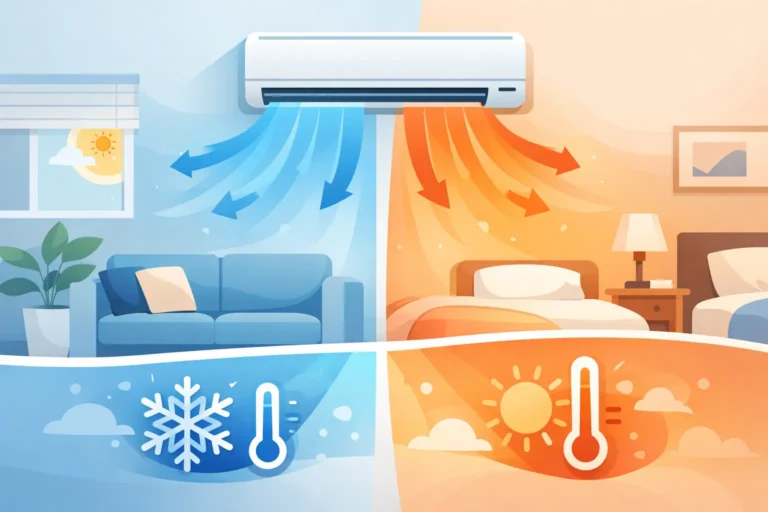

You notice it first at bedtime. One bedroom feels stuffy, the living room is fine, and the hallway somehow feels like a refrigerator. When an air conditioner is not cooling evenly, the problem is rarely random. Uneven cooling usually points to an airflow issue, a system sizing problem, a thermostat concern, or a part of the home that needs more support than the rest.
That matters because uneven temperatures are not just annoying. They can drive up energy bills, put extra strain on your system, and leave you constantly adjusting the thermostat without fixing the real issue. The good news is that some causes are simple. Others need professional testing, but they are still fixable.
Why an air conditioner is not cooling evenly
Most homes do not cool room by room in exactly the same way. Sun exposure, insulation, ceiling height, window placement, and how often a room is used all affect comfort. So a slight difference from one space to another can be normal. A major difference is not.
If one part of the house is consistently warmer than another, your system may be delivering the wrong amount of air, removing heat too slowly, or shutting off before the whole house reaches balance. In some homes, the equipment itself is working, but the ductwork or home layout is fighting against it.
Start with airflow before assuming the worst
Airflow is one of the most common reasons for uneven cooling, and it is often the easiest place to start.
Check the air filter
A dirty air filter restricts airflow across the entire system. That can make some rooms feel acceptable while others never quite cool down. If the filter is clogged, the system has to work harder to move air, and far rooms or second-floor spaces tend to show the problem first.
If you have not checked the filter in a while, replace it with the correct size and type recommended for your system. A filter that is too restrictive can also reduce airflow, even if it is clean.
Look at supply and return vents
Closed or blocked vents can throw off the balance of the whole home. Furniture, rugs, curtains, and even dust buildup can limit how much conditioned air gets into a room or how well air returns to the system.
Make sure supply vents are open and unobstructed. Do the same for return grilles. A room with poor return airflow may feel stagnant and warmer, even if cool air is entering it.
Inspect the outdoor unit
Your outdoor condenser needs room to reject heat. If it is packed with cottonwood, grass clippings, dirt, or overgrown landscaping, cooling performance can drop. That does not always show up as a complete breakdown. Sometimes it appears as uneven comfort first.
You can gently clear debris around the unit, but deeper cleaning or coil service is better left to a trained technician.
Leaky ducts
Conditioned air can escape into attics, crawl spaces, or wall cavities before it ever reaches the rooms that need it. Even a small leak in the wrong place can reduce airflow enough to create hot spots.
This is especially common in homes where one room is always uncomfortable no matter what thermostat setting you choose. The system may be producing cool air, but part of it is getting lost on the way.
Poor duct design
Not every duct system was designed well to begin with. Some homes have long runs to distant rooms, too few returns, undersized ducts, or branch lines that do not deliver balanced airflow. Additions and finished basements can make this worse if the original system was never adjusted for the extra square footage.
This is where a quick fix is less likely. Dampers, duct modifications, or airflow testing may be needed to get the system balanced properly.
Thermostat placement can mislead the whole system
Your thermostat can only react to the temperature where it is located. If it sits near a sunny window, in a cool hallway, or close to a supply vent, it may get an inaccurate reading and shut the system off too soon or keep it running too long.
That can leave bedrooms, upper floors, or back rooms uncomfortable while the thermostat says everything is fine. Smart thermostats and remote sensors can help in some homes, but they are not a cure-all. If airflow or duct design is the real issue, the thermostat can only do so much.
Second floors usually have the toughest cooling battle
In many two-story homes, the upstairs is warmer because heat rises and rooflines absorb a lot of solar gain. Even a healthy AC system can struggle if the attic is underinsulated, the upstairs has large west-facing windows, or the ductwork to the second floor is limited.
This is one of those situations where it depends. Sometimes the answer is simple air balancing. Sometimes you are dealing with insulation issues, inadequate return air, or a system that was never sized for how the home actually performs in summer.
If your first floor feels fine but the second floor never catches up, do not assume you need a brand-new air conditioner right away. A proper evaluation should look at the whole comfort picture, not just the equipment.
An oversized or undersized system can create uneven cooling
Bigger is not always better with air conditioning. An oversized system can cool the thermostat area too quickly and shut off before air circulates evenly through the house. That short cycling can leave rooms uneven and sticky.
An undersized system has the opposite problem. It may run for long stretches and still struggle to keep up, especially on very hot days. Rooms with the highest heat load will feel it first.
System sizing depends on more than square footage. Window area, insulation levels, orientation, ceiling height, duct design, and occupancy all matter. That is why uneven cooling should not be diagnosed by guesswork.
Low refrigerant or a failing component can show up as uneven cooling
Sometimes an air conditioner not cooling evenly is an early warning sign of a mechanical issue.
Low refrigerant, a weak blower motor, a dirty evaporator coil, a failing capacitor, or a partially frozen coil can all reduce cooling performance. In the early stages, the system may still run and produce some cool air, just not enough to serve the entire house evenly.
These issues are not DIY territory. Refrigerant problems and electrical component failures need professional diagnosis, and continuing to run the system can make the damage worse.
What you can safely check before calling for service
There are a few things worth checking on your own. Replace the air filter if it is dirty. Confirm that vents and returns are open. Clear debris around the outdoor unit. Check the thermostat settings and battery if applicable. Take note of which rooms are affected, when the problem is worst, and whether it happens all day or only in late afternoon.
That information helps speed up diagnosis if service is needed. It also helps separate a system-wide issue from a room-specific problem tied to sun exposure, insulation, or airflow.
When to call for help for uneven AC cooling
If you have already handled the basics and the problem continues, it is time for a professional inspection. The same is true if you notice weak airflow, ice on the refrigerant line, rising utility bills, unusual noises, or an AC that seems to run nonstop without making the house comfortable.
A thorough service visit should look at more than refrigerant pressure. It should include airflow, duct performance, thermostat operation, coil condition, and how the equipment is actually behaving under load. For homeowners in Oswego and nearby communities, that kind of clear, honest diagnosis is what turns a frustrating comfort problem into a real solution.
How to prevent uneven cooling from coming back
Preventive maintenance makes a difference here. Seasonal AC tune-ups can catch dirty coils, weak components, drainage issues, and airflow restrictions before they turn into uneven temperatures or mid-season breakdowns.
It also helps to stay consistent with filter changes and pay attention to comfort patterns. If one room is slowly getting warmer each summer, that is worth addressing early. Small airflow problems rarely improve on their own.
Some homes benefit from upgrades such as duct sealing, added returns, zoning, attic insulation improvements, or ductless support in hard-to-condition spaces. The right fix depends on why the imbalance is happening. The goal is not just colder air. It is reliable comfort in the rooms where you actually live.
If your house never seems to feel evenly cooled, trust what you are experiencing. Comfort problems usually have a cause, and the sooner that cause is identified, the easier it is to stop chasing the thermostat and start feeling comfortable again.